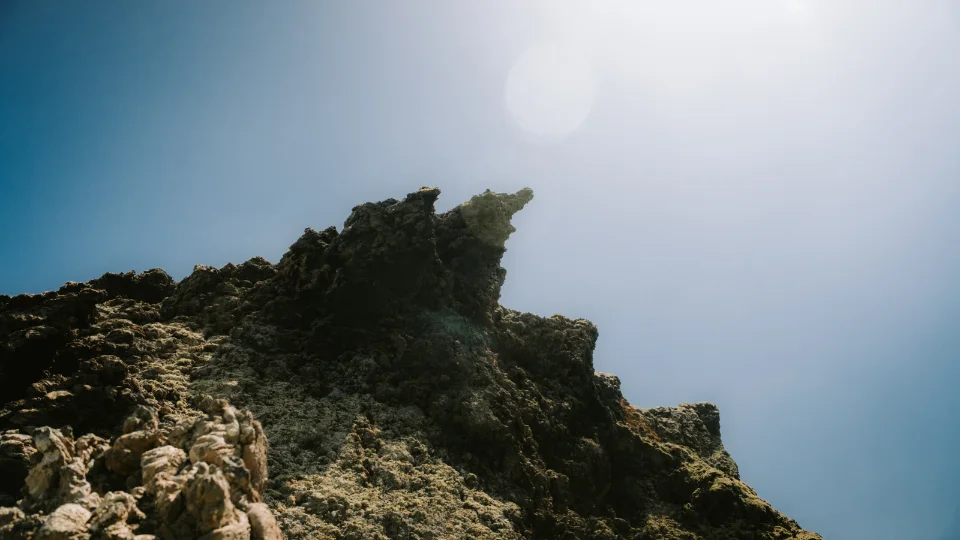
Lanzarote, Canary Islands
Lanzarote — an island shaped by fire, wind and time. 🌋 Part of the Canary Islands, Lanzarote lies in the Atlantic Ocean, just off the coast of Africa. Its landscapes are unlike almost anywhere else: vast fields of black lava, volcanic craters, cliffs, white villages and deep blue ocean. But Lanzarote is much more than a volcanic island. Its history has been deeply shaped by eruptions, particularly those between 1730 and 1736, when Timanfaya was transformed by six years of volcanic activity. Lava and ash covered around a quarter of the island, burying entire villages and permanently changing its landscape. Life here has always meant adapting to a dry and demanding environment. From traditional agricultural techniques to the vineyards of La Geria, where vines are cultivated in volcanic ash, the people of Lanzarote have learned to work with the island rather than against it. This relationship between nature and human creativity is also at the heart of the work of César Manrique, whose architecture, art and vision helped shape the island's identity. His approach was to make art coexist with the landscape rather than dominate it — something that can still be felt throughout Lanzarote. In 1993, the entire island was designated a UNESCO Biosphere Reserve, including its towns and villages. The designation recognises not only its ecosystems and endemic species, but also the relationship that has developed between the island's environment, culture and way of life. Today, Lanzarote is also part of the UNESCO Global Geopark network, celebrating its extraordinary geological heritage — from Timanfaya's lava fields to the volcanic tubes and landscapes of the Chinijo Archipelago. An island where fire created the landscape, people learned to live with it, and art found a way to belong within it. Lanzarote, Canary Islands 🇪🇸